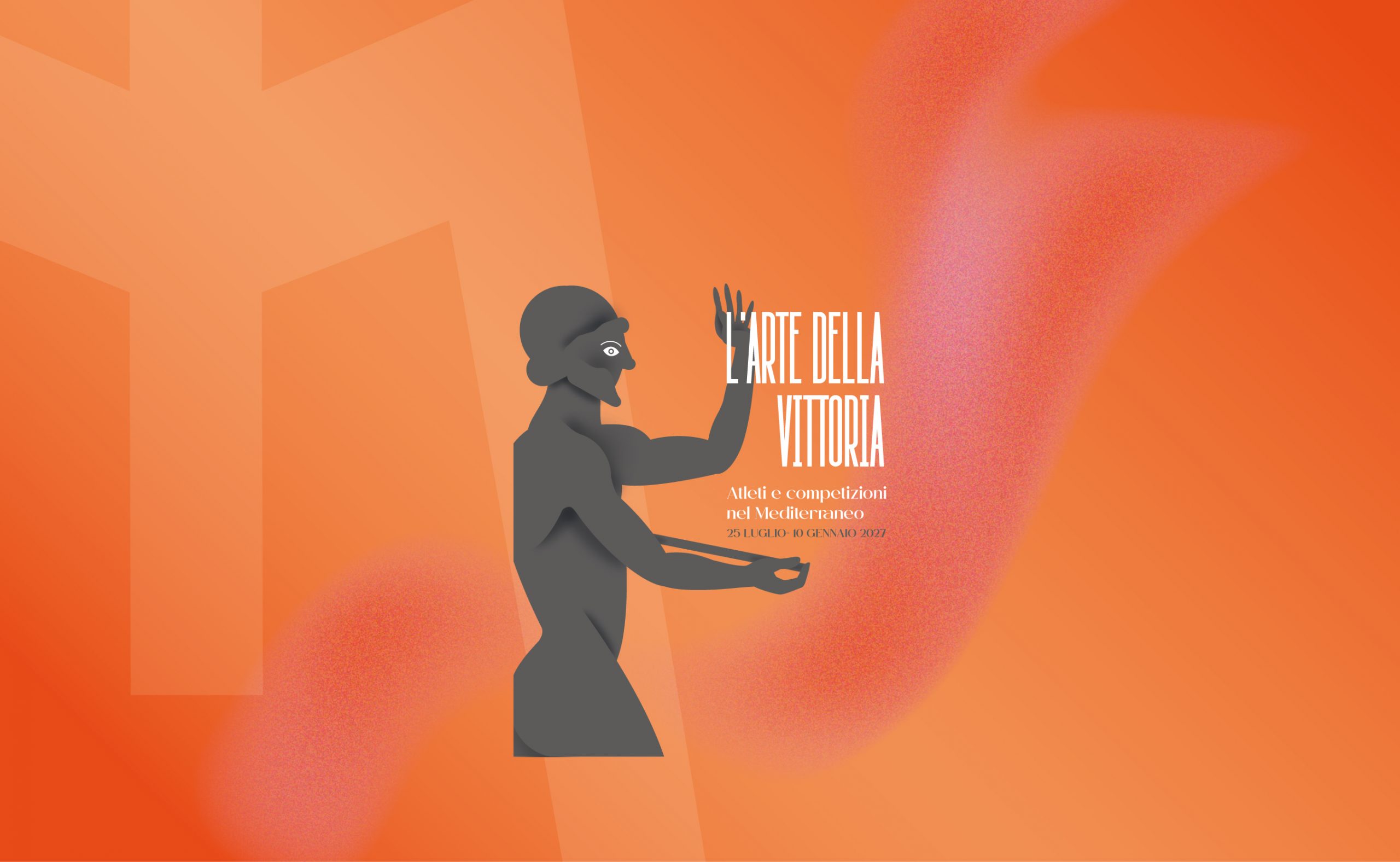
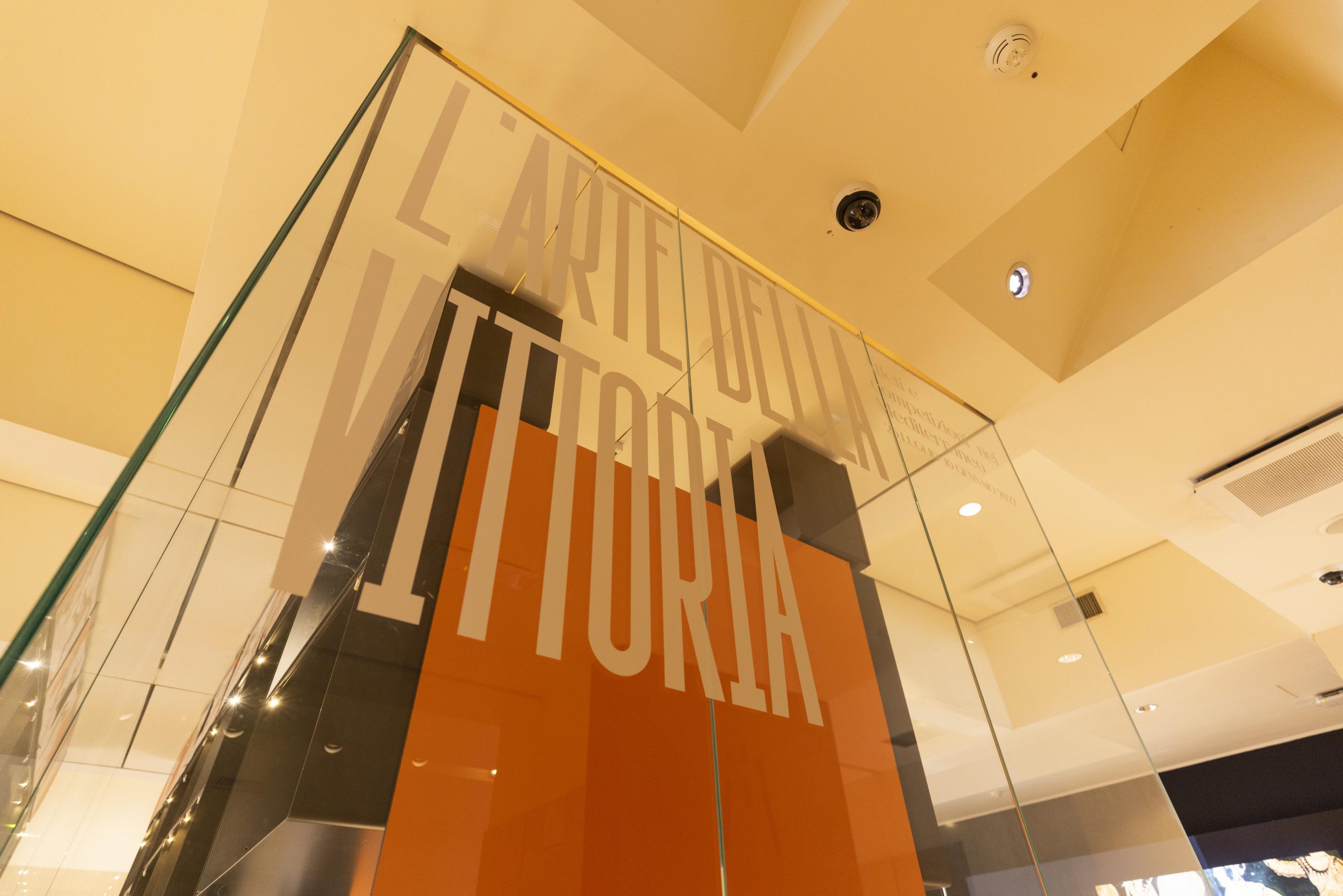
The Art of Victory: Athletes and Competitions in the Mediterranean
EXHIBITION
25 July 2026 – 10 January 2027
With the exhibition “The Art of Victory: Athletes and Competitions in the Mediterranean,” the National Archaeological Museum of Taranto explores the role of sport in the ancient world and its value as a means of education, dialogue and encounter between peoples.
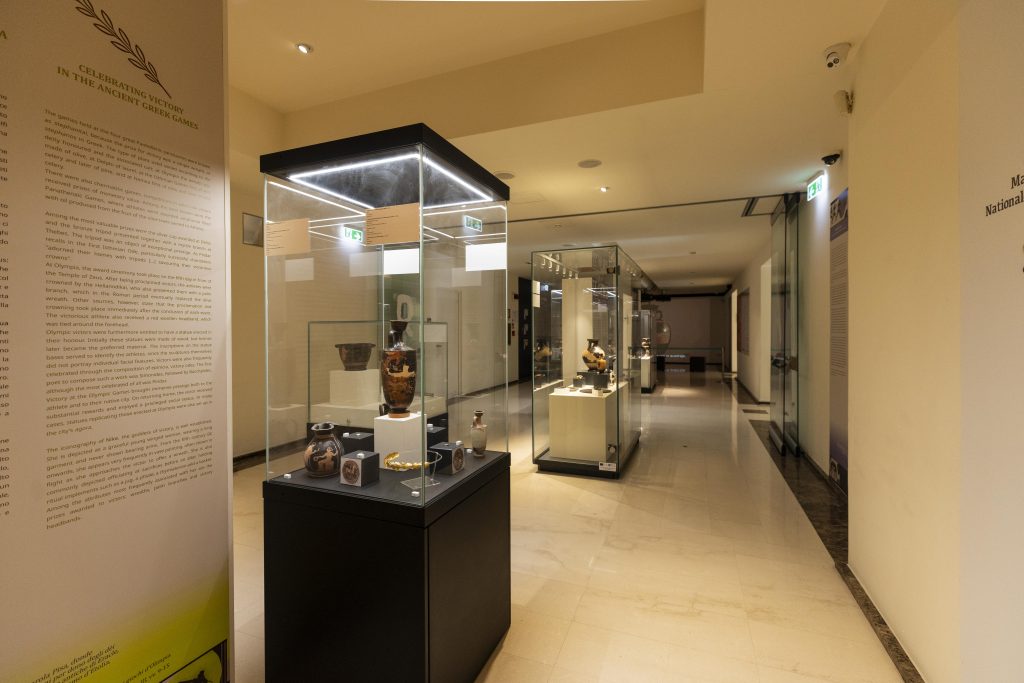
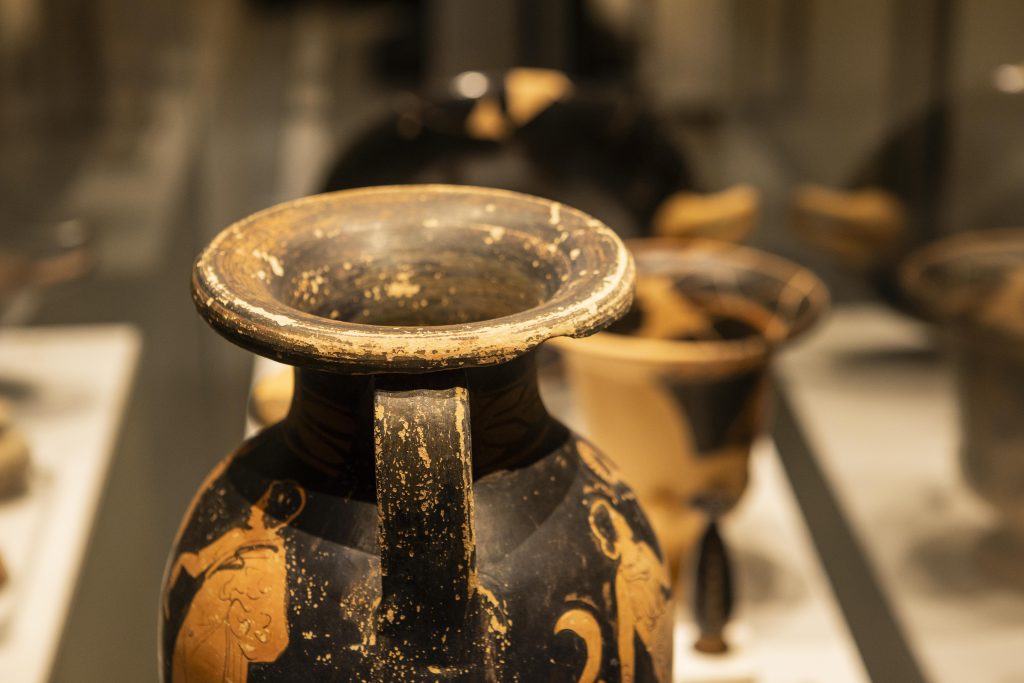
At the heart of the exhibition is the Athlete of Taranto, a young man who lived in the 5th century BC and was buried in a monumental tomb discovered near present-day Via Genova. His sarcophagus, decorated with exceptionally fine pigments, was accompanied by four Panathenaic amphorae, bearing witness to the athlete’s participation and victories in the Great Panathenaic Games held in ancient Athens.
THE EXHIBITION
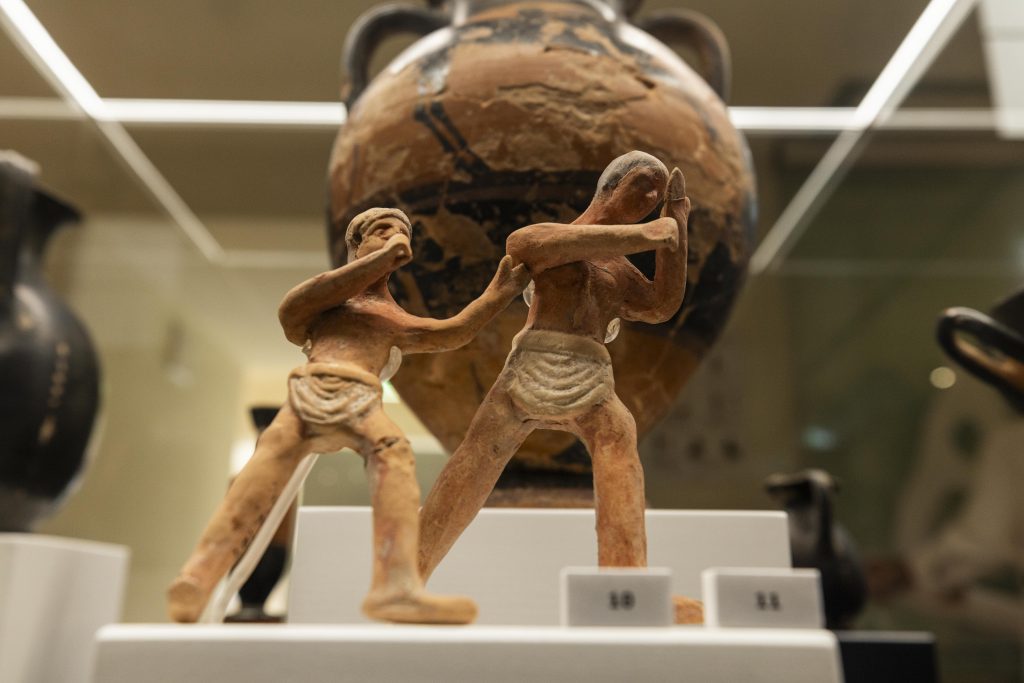
In the Greek world, physical exercise was one of the fundamental elements of paideia, the educational process through which citizens were formed and in which care of the body was combined with discipline and the development of moral and intellectual qualities.
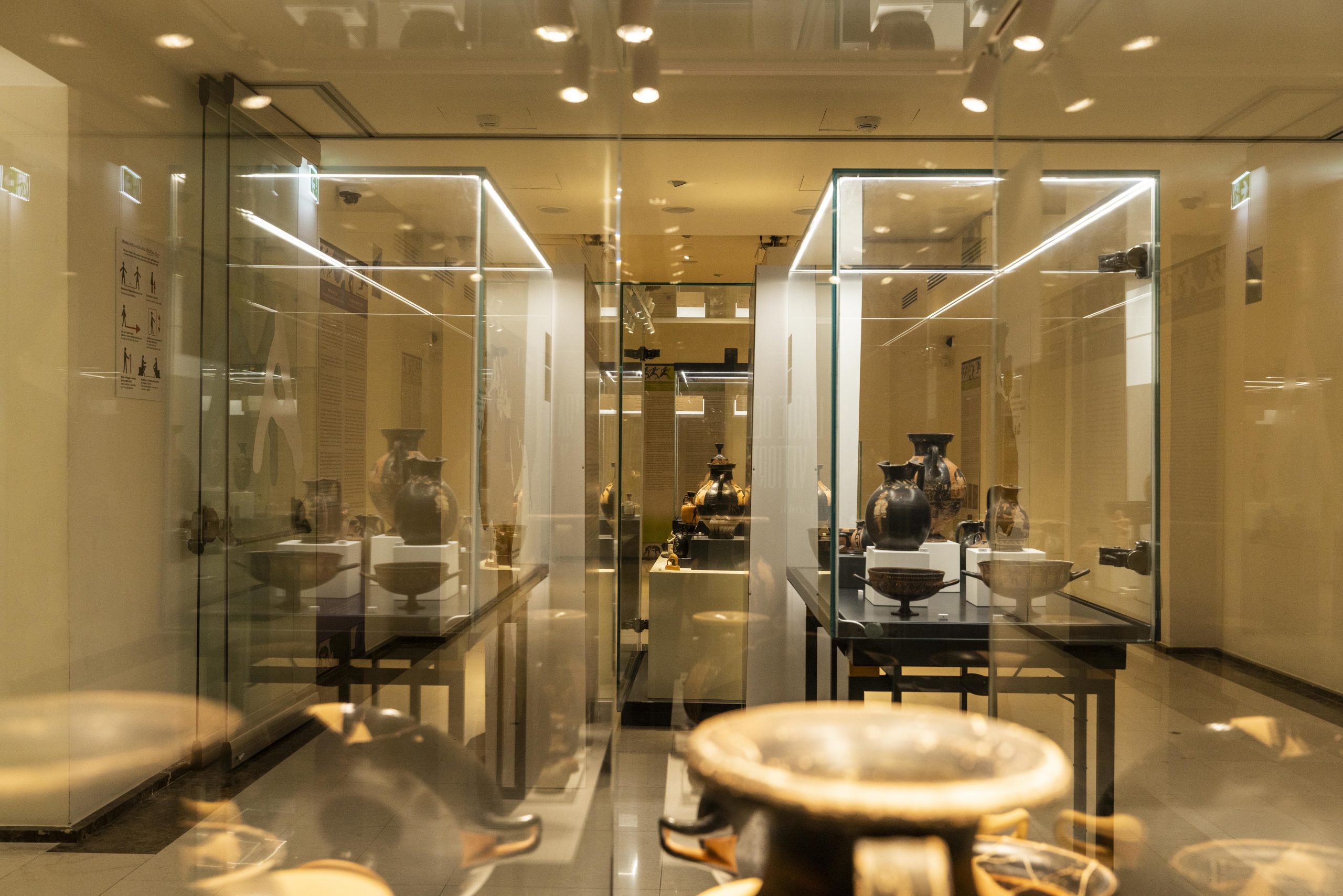
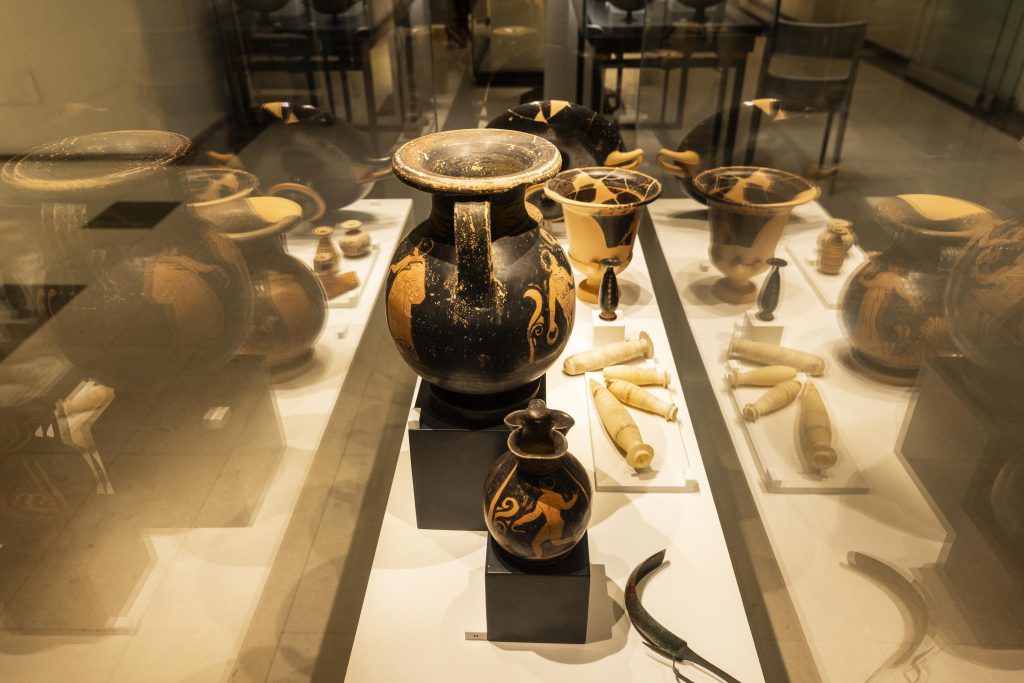
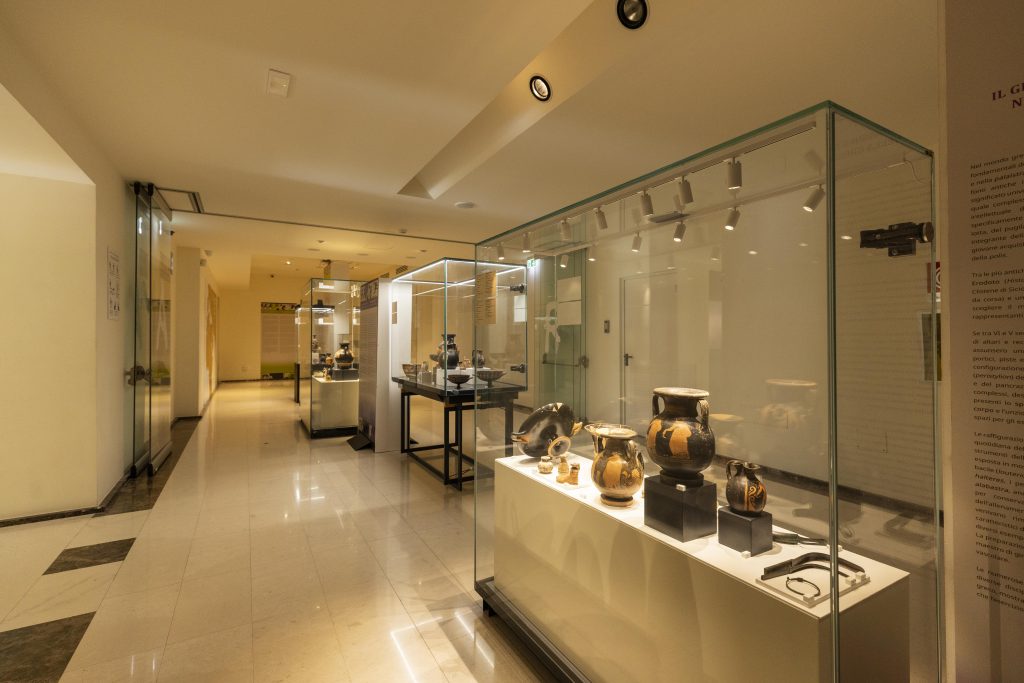
Through 53 artefacts, 36 of which come from the MArTA’s collections and have been the subject of new research and enhancement activities, the exhibition explores the role of the gymnasium and the palaestra, the participation of athletes from Magna Graecia in Panhellenic competitions, and the honours bestowed upon the winners.
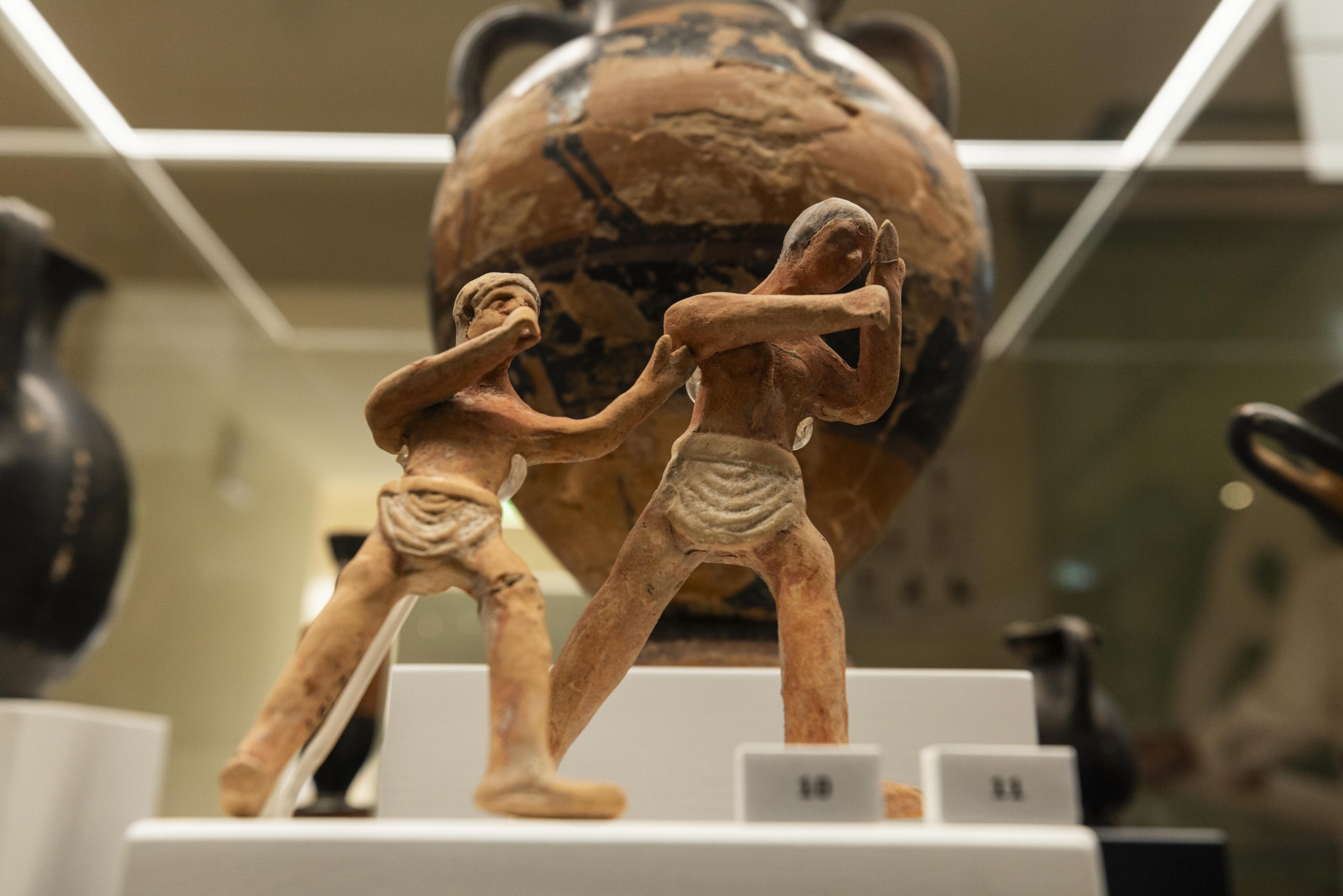
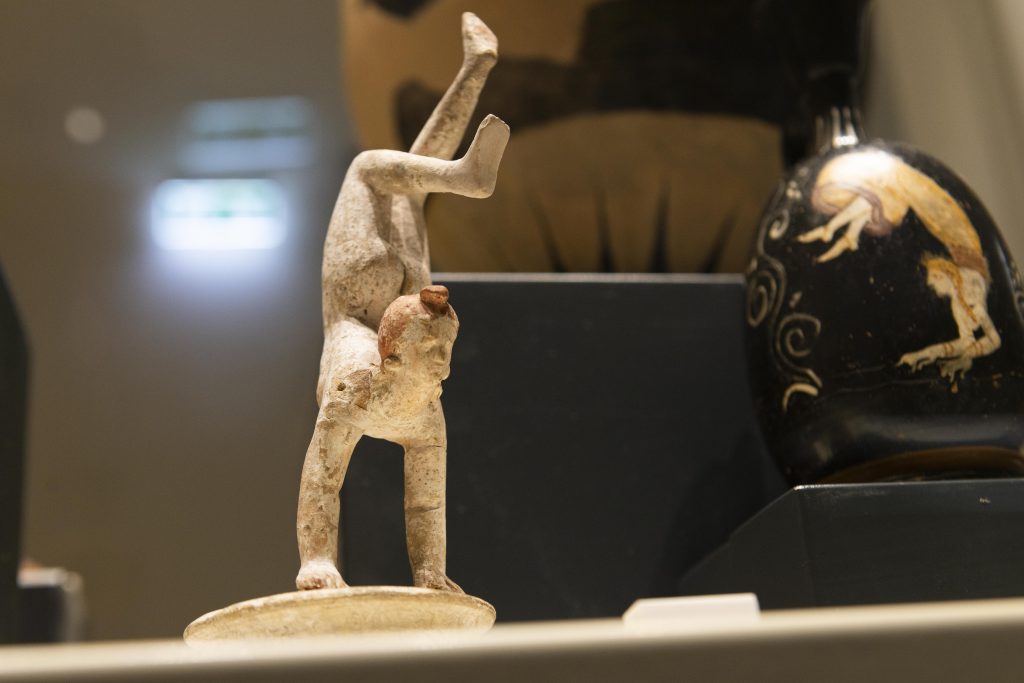
A dedicated section also focuses on women’s participation in sport, documented through pottery and terracotta figurines that shed light on the role of women in ancient athletics.
Looking Beyond the Mediterranean
The exhibition broadens its perspective through a section devoted to the origins and different forms of athletics on the opposite shore of the Mediterranean and across the African continent.
This section was developed with contributions from archaeologists, museum directors and curators from Egypt, Tunisia, Morocco and Tanzania who took part in the fourth edition of the International School of Cultural Heritage. A map takes visitors on a journey through different cultures, highlighting how sport has represented, since ancient times, a space for interaction, exchange and the construction of collective identity.
FROM ANTIQUITY TO CONTEMPORARY SPORT
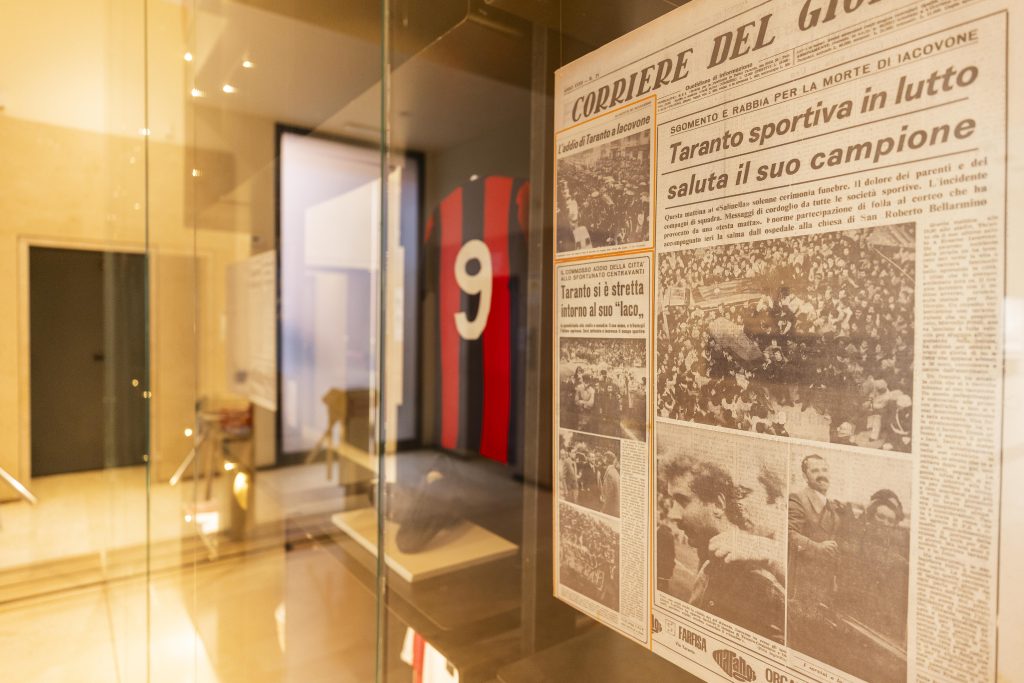
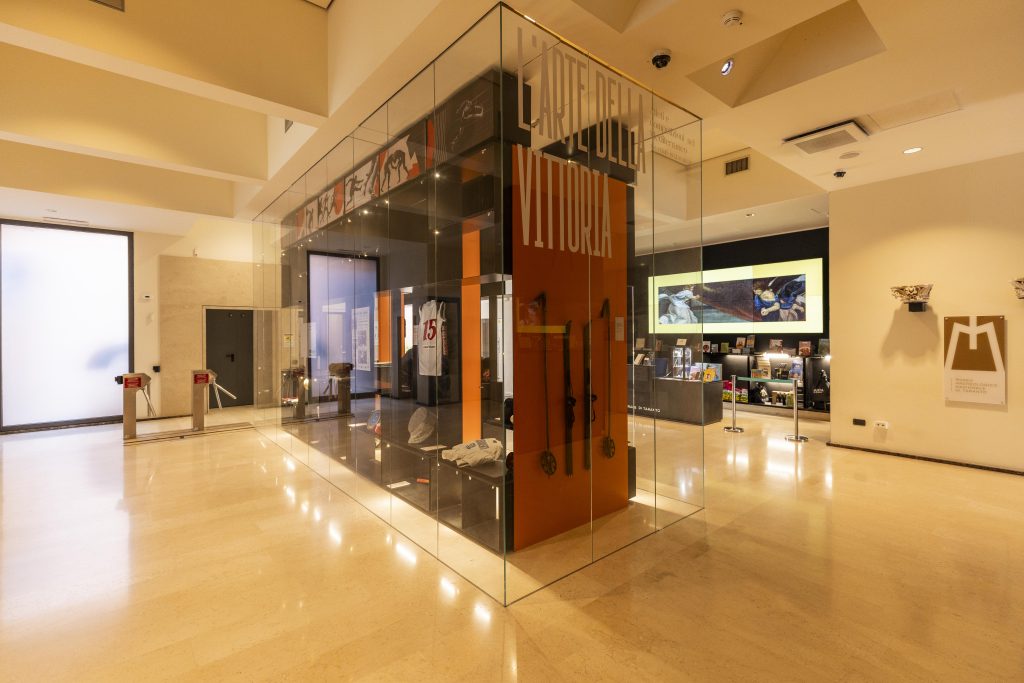
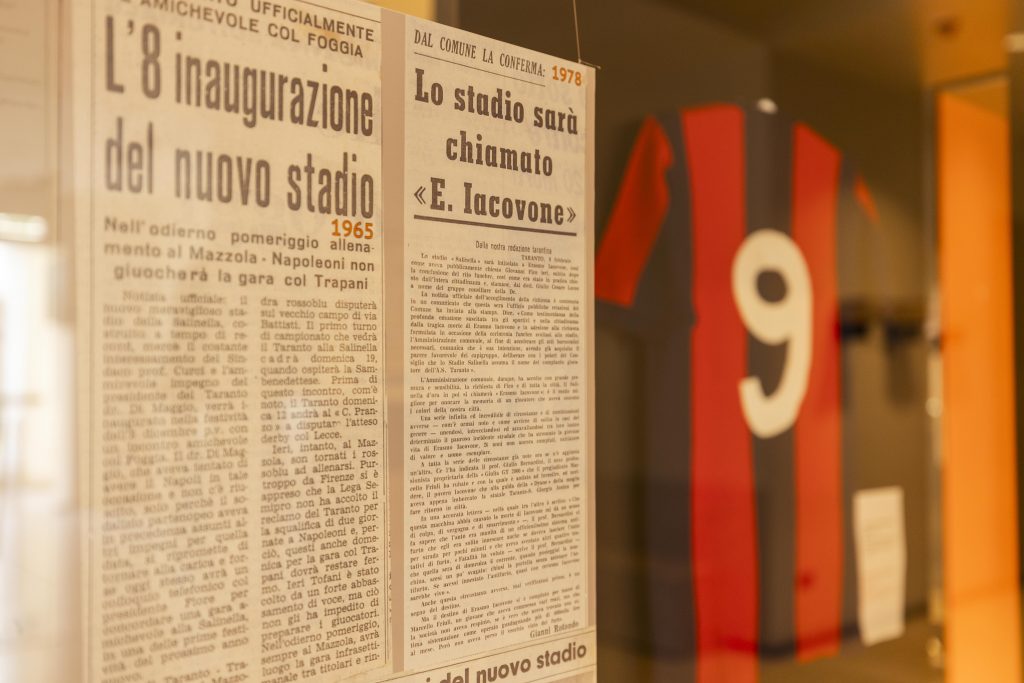
The exhibition continues in the Museum’s entrance hall with a selection of memorabilia belonging to athletes from Apulia who have left their mark on the history of Italian sport.
The objects on display include Erasmo Iacovone’s jersey and football boots, swimmer Benedetta Pilato’s gold medal, and the vest and race number worn by Antonella Palmisano at the Tokyo Olympic Games, alongside trophies, documents, clothing and other materials connected with champions and teams from a variety of sporting disciplines.
This section creates a dialogue between the ideals of ancient athletics and the stories, sacrifices and achievements of contemporary sportspeople.
THE ATHLETE IN CONTEMPORARY ART AND ANIMATION
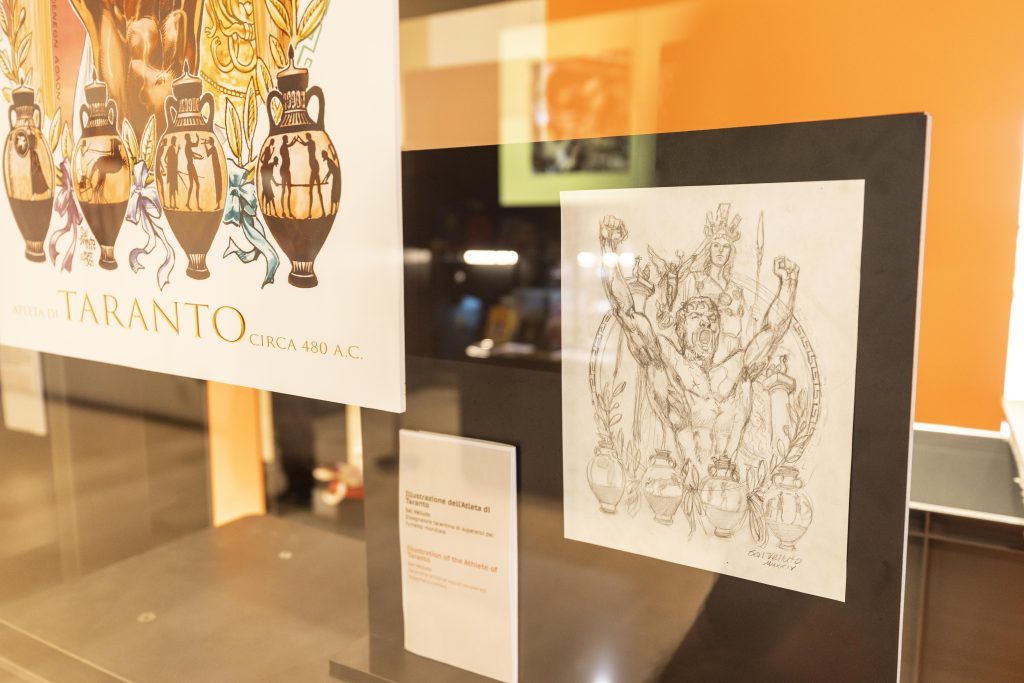
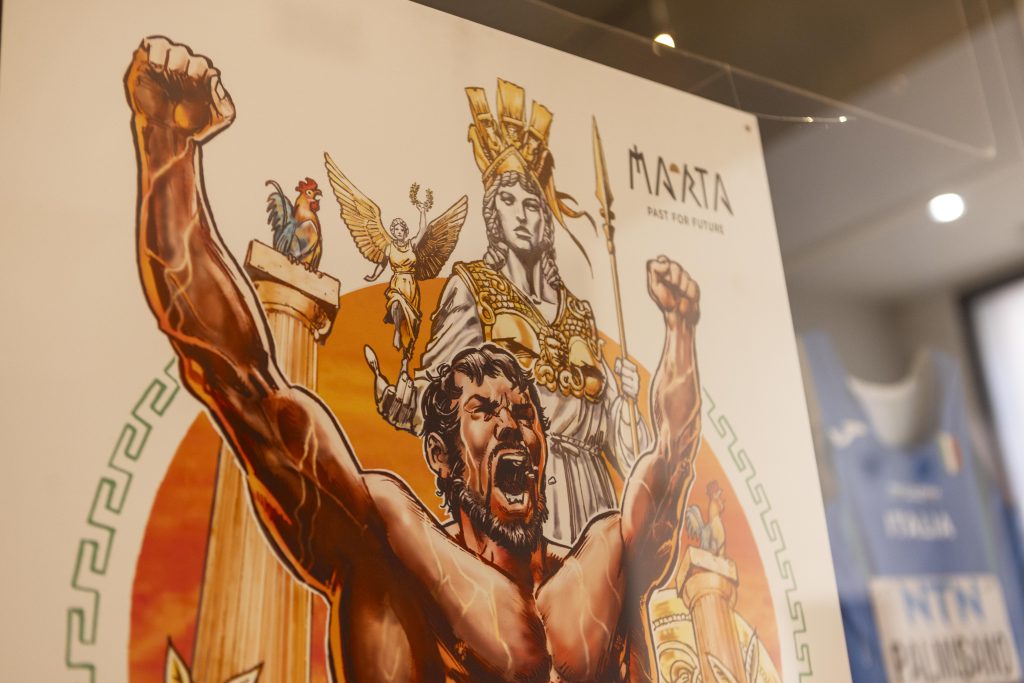
The figure of the Athlete of Taranto is also reinterpreted through the languages of comics and animated cinema.
The exhibition presents four frames from an animated short film currently being produced by Nasse Animation Studio, created using a visual technique inspired by ancient black-figure pottery. The film, dedicated to the story of the Athlete, involves artists from the United States, Europe and Asia.
The display case at the entrance also features an original illustration of the Athlete of Taranto by internationally renowned Taranto-born artist Sal Velluto, known for his collaborations with Marvel and DC Comics.
Educational Activities: “Get in the Game!”
During the exhibition, visitors will be able to take part in a multisensory and interactive educational programme dedicated to the Athlete of Taranto. The activities are designed to introduce younger visitors to the world of ancient sport through storytelling, games and hands-on experimentation.
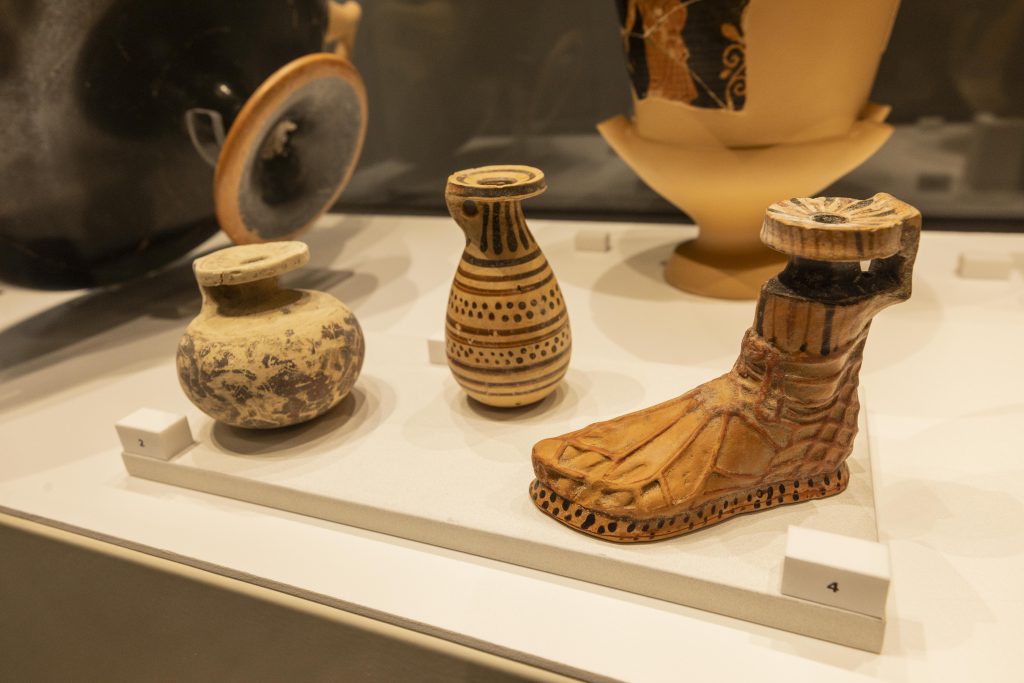
Participants will be able to listen to the illustrated story of the Athlete through the Kamishibai storytelling technique, observe and touch reproductions of ancient sporting equipment, identify the oils used by athletes, and take part in quizzes, dexterity games and physical activities inspired by the long jump and discus throwing.
The programme also includes a digital station featuring a virtual tour and a quiz-based escape room, created with the contribution of students from the “A. Pacinotti” Institute in Taranto.
The workshops last approximately one and a half hours and are intended for children and young people aged 6 to 14, accompanied by an adult. Participation is free of charge for minors, while accompanying adults are required to purchase a standard Museum admission ticket.